
IPTV VPN setup is essential for secure, private, and buffer-free streaming. Discover 12 proven steps to protect your IPTV connection and optimize performance today.
Introduction to IPTV VPN Setup
An effective IPTV VPN setup can completely transform your streaming experience. If you stream live TV channels or on-demand content through IPTV services, security and speed matter more than ever. Without protection, your Internet Service Provider (ISP) can monitor your activity, throttle your speed, or even block certain streams.
That’s where an IPTV VPN setup comes in. It encrypts your connection, hides your IP address, and ensures smooth access to your favorite channels. In this guide, you’ll learn exactly how to set it up the right way.
We’ll walk through everything step by step. By the end, you won’t just understand IPTV VPN setup—you’ll master it.
What Is IPTV and How Does It Work?
IPTV stands for Internet Protocol Television. Unlike traditional cable or satellite TV, IPTV delivers content through the internet.
Instead of broadcasting signals through cables or satellites, IPTV streams media data packets directly to your device. That means:
- Live TV streams in real time
- Video-on-demand libraries
- Catch-up TV features
- Multi-device compatibility
However, because IPTV relies entirely on internet bandwidth, it can be affected by:
- ISP throttling
- Network congestion
- Geo-restrictions
- Privacy risks
That’s exactly why combining IPTV with a VPN is such a smart move.
Why IPTV VPN Setup Is Essential
An IPTV VPN setup isn’t just optional anymore—it’s practically necessary. Let’s explore why.
Protecting Your Online Identity
Every time you stream IPTV, your IP address is visible to your ISP and potentially third parties. A VPN encrypts your traffic and masks your real location.
This encryption ensures:
- Your streaming history stays private
- Hackers can’t intercept your data
- Your identity remains hidden
Avoiding Bandwidth Throttling
ISPs sometimes slow down streaming traffic. If they detect heavy IPTV usage, they may reduce your speed.
With a proper IPTV VPN setup:
- Your ISP can’t see what you’re streaming
- Throttling becomes much harder
- Buffering issues decrease
Accessing Geo-Restricted Channels
Some IPTV content is restricted by region. A VPN allows you to connect to servers in different countries.
This gives you access to:
- International sports
- Global news networks
- Country-specific entertainment
In short, IPTV VPN setup unlocks the full potential of IPTV streaming.
How VPNs Work With IPTV
A VPN creates a secure tunnel between your device and the internet. All data passes through this encrypted tunnel before reaching its destination.
Here’s what happens during an IPTV VPN setup:
- You connect to a VPN server.
- Your IP address changes.
- Your traffic is encrypted.
- IPTV streams pass through the VPN server.
This process protects you while maintaining streaming quality—if configured correctly.
For more technical background on VPN encryption standards, you can review this external guide from Cloudflare:
https://www.cloudflare.com/learning/privacy/what-is-a-vpn/
12 Proven Steps for IPTV VPN Setup
Now let’s get practical. Follow these 12 proven steps to complete your IPTV VPN setup properly.
Step 1: Choose a High-Speed VPN
Not all VPNs are equal. Look for:
- Fast servers
- Unlimited bandwidth
- No-logs policy
- Strong encryption (AES-256)
Speed is crucial for IPTV streaming.
Step 2: Verify IPTV Compatibility
Ensure the VPN supports:
- Streaming protocols
- Smart TVs
- Firestick
- Android TV
Step 3: Purchase a Subscription
Choose a reliable plan. Longer plans usually cost less monthly.
Step 4: Download the VPN App
Install the app on your streaming device.
Step 5: Log Into Your VPN Account
Enter your credentials securely.
Step 6: Select the Right Server Location
Choose a server close to your physical location for best speed. For geo-unblocking, choose the appropriate country.
Step 7: Select the Optimal Protocol
Common protocols include:
- OpenVPN
- WireGuard
- IKEv2
WireGuard often provides the best balance of speed and security.
Step 8: Enable Kill Switch
This ensures your IP doesn’t leak if the VPN disconnects.
Step 9: Connect Before Launching IPTV
Always activate your VPN first.
Step 10: Test Your IP Address
Use an IP checker to confirm the VPN is active.
Step 11: Launch IPTV App
Open your IPTV player and test a live channel.
Step 12: Monitor Performance
If buffering occurs:
- Switch servers
- Change protocol
- Restart router
Following these steps ensures your IPTV VPN setup works smoothly.
Best VPN Features for IPTV
When choosing a VPN for IPTV, prioritize these features:
| Feature | Why It Matters |
|---|---|
| High-speed servers | Prevents buffering |
| No-logs policy | Ensures privacy |
| Kill switch | Prevents IP leaks |
| Split tunneling | Allows IPTV-only routing |
| 24/7 support | Fast troubleshooting |
Speed is king in IPTV VPN setup. Without it, even the strongest encryption won’t help.
IPTV VPN Setup on Different Devices
Different devices require slightly different approaches.
IPTV VPN Setup on Firestick
- Open Amazon App Store
- Download VPN app
- Log in
- Connect to server
- Launch IPTV app
Simple and effective.
IPTV VPN Setup on Android
- Download VPN from Play Store
- Install and log in
- Choose server
- Activate kill switch
- Start IPTV
IPTV VPN Setup on Windows & macOS
- Download desktop client
- Install software
- Connect to optimal server
- Launch IPTV player
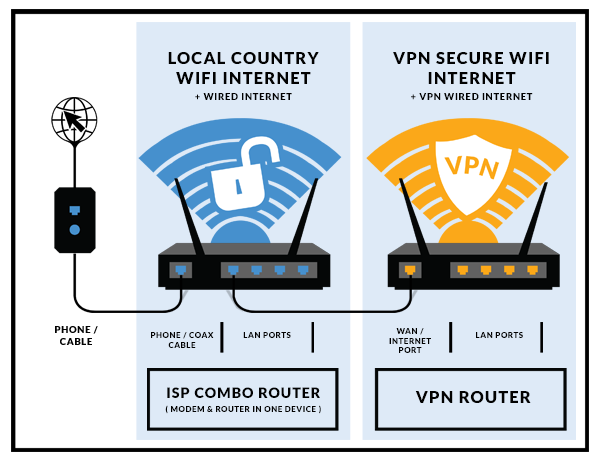
For Smart TVs without VPN apps, consider installing the VPN directly on your router.
Common IPTV VPN Setup Mistakes
Even experienced users make errors. Avoid these pitfalls:
- Using free VPNs (slow and insecure)
- Connecting to distant servers
- Forgetting to enable kill switch
- Ignoring protocol settings
- Not updating VPN software
Small mistakes can lead to major buffering problems.
How to Optimize IPTV Performance With a VPN
A well-configured IPTV VPN setup should not slow you down. If it does, try these tips:
- Use wired Ethernet instead of Wi-Fi
- Restart modem weekly
- Choose less crowded VPN servers
- Disable background downloads
- Upgrade internet plan if necessary
Additionally, clear your IPTV app cache regularly. That alone can improve performance significantly.
Legal and Safety Considerations
Using a VPN is legal in most countries. However, IPTV content legality depends on licensing agreements.
Always:
- Use reputable IPTV providers
- Follow local laws
- Avoid suspicious streaming sources
A VPN protects privacy—but it doesn’t replace responsible usage.
FAQs About IPTV VPN Setup
1. Does IPTV VPN setup slow down streaming?
If configured correctly, it shouldn’t. Choose high-speed servers and modern protocols like WireGuard.
2. Can I use a free VPN for IPTV?
It’s not recommended. Free VPNs often limit bandwidth and reduce streaming quality.
3. Is IPTV VPN setup legal?
VPN usage is legal in most regions. However, content legality depends on the IPTV provider.
4. What is the best protocol for IPTV?
WireGuard is usually the fastest. OpenVPN is widely trusted.
5. Do I need a VPN if my IPTV works fine?
Even if it works, your ISP may monitor activity. IPTV VPN setup improves privacy and reduces throttling risk.
6. Can I install a VPN on my router?
Yes. Router-level VPN protects all connected devices.
7. How often should I change VPN servers?
Only if speed drops or content is blocked.
Conclusion
An effective IPTV VPN setup gives you three powerful benefits: privacy, speed stability, and global access. Without it, your streaming experience may suffer from throttling, buffering, or geo-restrictions.
By following the 12 proven steps outlined above, you can secure your IPTV connection confidently. Choose the right VPN, configure it properly, and monitor performance regularly.
Streaming should be smooth and stress-free. With the right IPTV VPN setup, it absolutely can be.